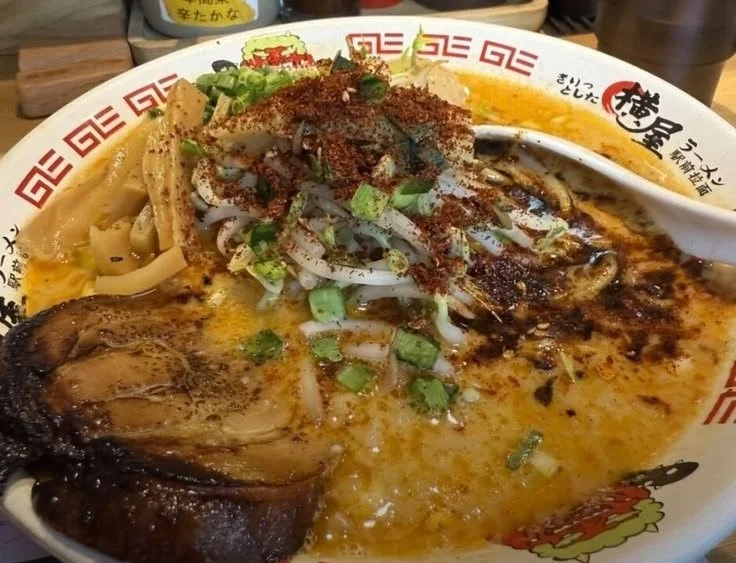
There’s something undeniably comforting about a steaming bowl of ramen. The very idea evokes memories of cozy nights spent with friends and family, laughter echoing over clinking bowls and chopsticks, the rich aroma of broth wafting through the air. My love affair with ramen began on a chilly winter evening, huddled around a makeshift table in a hole-in-the-wall noodle shop. I was captivated by that first sip of silky broth, the tender pork, and the perfectly runny soft-boiled egg. It was then that I decided I needed to bring that joy into my own kitchen – not just as an occasional indulgence but as a regular, homemade treat.
Today, I’m thrilled to share my take on one of the most beloved ramen varieties: Tonkotsu Ramen. This Japanese classic is known for its creamy, rich broth that’s both nourishing and utterly satisfying. With a little bit of patience – and the use of some fantastic ingredients – you’ll find yourself in ramen heaven right from your own stovetop.
Recipe Timing
- Prep Duration: 30 minutes
- Active Cooking: 30 minutes
- Total Duration: Approximately 10 hours (including simmering time for broth)
- Portion Size: Serves 4
- Complexity: Moderate
Nutritional Recipe
- Calories per portion: ~600
- Protein: 34g
- Carbs: 64g
- Fats: 24g
- Fiber: 2g
- Sugars: 6g
- Sodium: 1200mg
Why You’ll Love This Best Homemade Tonkotsu Ramen
This Tonkotsu Ramen recipe isn’t just a bowl of noodles; it’s a hug in a bowl. The marrow-rich pork bones give you that unctuous broth that’s both hearty and incredibly flavorful. The chashu pork melts in your mouth, while the soft-boiled eggs add a creamy richness that completes the dish. Plus, this is a fantastic adventure in cooking. You’ll feel like a true ramen master as you prepare each component from scratch, and there’s an undeniable satisfaction that comes with that!
The Complete Cooking Journey
Embarking on this ramen-making journey is not just about the end result. It’s about the process – the leisurely hours spent letting the broth simmer, the aroma that fills your kitchen, and the joy of laying out a beautiful bowl of noodles that you created yourself. Trust me, every minute spent will be worth it, and soon you’ll be gifting bowls of this deliciousness to your loved ones too!
Ingredients:
- Pork bones
- Water
- Soy sauce
- Mirin
- Salt
- Chashu pork (braised pork belly)
- Soft-boiled eggs
- Noodles (ramen noodles)
- Green onions
- Nori (seaweed)
- Bamboo shoots
- Sesame oil
Method:
Step 1: Simmering the Broth
In a large pot, add pork bones and water; bring to a boil and then lower the heat to a gentle simmer. Let it simmer for several hours until the broth becomes rich and creamy. Be patient – this part is critical in developing that deep flavor you want!
Step 2: Seasoning the Broth
Once the broth is rich and creamy, strain it and return the liquid to the pot. Add soy sauce, mirin, and salt to taste. This layering of seasoning will ensure your broth is balanced and delicious.
Step 3: Preparing the Chashu Pork
If you haven’t prepared chashu pork already, now is the time! You can find many wonderful recipes online or in cookbooks, but the key is slow cooking it until you achieve that melt-in-your-mouth texture.
Step 4: Cooking the Ramen Noodles
Cook the ramen noodles according to package instructions. This should only take a few minutes, so keep an eye on them! You want them al dente, as they will continue to cook slightly when you pour the hot broth over them.
Step 5: Serving the Bowl of Happiness
To serve, place the cooked noodles in a bowl, pour over the piping hot broth, and top it with slices of chashu, halved soft-boiled eggs, chopped green onions, sheets of nori, and bamboo shoots.
Step 6: Finishing Touch
Drizzle with sesame oil if desired, and sit back to marvel at your creation!
Serving Suggestions & Pairings
This ramen is a complete meal on its own, but if you’re feeling a bit fancy, consider serving it with a side of gyoza or some crispy tempura. A chilled Japanese beer or sake pairs beautifully with the rich flavors as well.
Storage & Leftovers Guide
If you have any leftovers (which is rare, but it happens), the broth and chashu pork can be stored in separate airtight containers in the fridge for up to 3 days. Reheat gently on the stove. Noodles, however, are best cooked fresh, so avoid storing them in the broth; instead, cook fresh noodles when you’re ready for round two!
Kitchen Wisdom & Success Tips
- Use a pressure cooker: If you want to cut down on the simmering time for your broth, a pressure cooker can yield great results in a fraction of the time.
- Watch your salt: As you season the broth, add salt gradually to prevent over-salting.
- Don’t rush chashu: Allow the pork belly to marinate for as long as possible for maximum flavor.
- Perfect eggs: Aim for soft-boiled eggs with a runny yolk by cooking them for exactly 6-7 minutes, then ice water to halt the cooking.
Flavor Variations & Adaptations
Feel free to experiment! Add more vegetables like bok choy or mushrooms, or try different proteins like chicken or a plant-based substitute for a vegetarian version. You can also elevate your bowl with spicy chili oil or flavored oils for an extra kick.
Reader Questions & Solutions
-
What can I substitute for pork bones?
You can use chicken bones or beef bones, but the flavor will differ. -
Can I use regular pasta noodles instead of ramen noodles?
While it’s not traditional, you can use any noodle you like; just adjust the cooking time accordingly. -
How do I achieve a thicker broth?
Simmer for a longer time to let the collagen break down fully. -
What if I don’t have mirin?
You can use a mixture of equal parts rice vinegar and sugar as a substitute. -
Can I freeze the broth?
Absolutely! It freezes well for up to 3 months.
Wrapping Up
There you have it – your ultimate guide to making the Best Homemade Tonkotsu Ramen! I hope this recipe inspires you to dive into the kitchen and embrace the art of ramen-making. Celebrate the cozy moments, the delicious flavors, and the joy of creating something special. So roll up your sleeves, gather your ingredients, and let your culinary adventure begin. Your bowl of ramen greatness is just a simmer away!
PrintBest Homemade Tonkotsu Ramen

A comforting Tonkotsu Ramen recipe featuring creamy, rich broth, tender chashu pork, and soft-boiled eggs, perfect for cozy nights.
- Prep Time: 30 minutes
- Cook Time: 30 minutes
- Total Time: 600 minutes
- Yield: 4 servings
- Category: Main Course
- Method: Simmering
- Cuisine: Japanese
- Diet: Non-Vegetarian
Ingredients
- Pork bones
- Water
- Soy sauce
- Mirin
- Salt
- Chashu pork (braised pork belly)
- Soft-boiled eggs
- Noodles (ramen noodles)
- Green onions
- Nori (seaweed)
- Bamboo shoots
- Sesame oil
Instructions
- Simmer the broth by adding pork bones and water to a large pot; bring to a boil and then lower to a gentle simmer.
- Strain the broth once it’s rich and creamy, then return it to the pot.
- Add soy sauce, mirin, and salt to taste for seasoning.
- Prepare the chashu pork if not done yet; slow cook for melt-in-your-mouth texture.
- Cook the ramen noodles according to package instructions until al dente.
- Serve by placing cooked noodles in a bowl, pouring over hot broth, and topping with chashu, soft-boiled eggs, green onions, nori, and bamboo shoots.
- Drizzle with sesame oil if desired and enjoy your creation!
Notes
Use a pressure cooker to cut down on simmering time for the broth. Watch your salt usage to prevent over-salting. Aim for perfect soft-boiled eggs with runny yolks.
Nutrition
- Serving Size: 1 serving
- Calories: 600
- Sugar: 6g
- Sodium: 1200mg
- Fat: 24g
- Saturated Fat: 8g
- Unsaturated Fat: 12g
- Trans Fat: 0g
- Carbohydrates: 64g
- Fiber: 2g
- Protein: 34g
- Cholesterol: 90mg